Planning an overnight trail adventure means gearing up smartly to stay safe, comfortable, and ready for anything Mother Nature throws your way. Whether you’re a seasoned backpacker or tackling your first multi-day hike, having the right safety essentials is a game-changer. From robust navigation tools to reliable shelter and hydration systems, these are the core items that ensure your journey doesn’t just become a story — but a successful adventure you’ll happily repeat. This guide dives into key safety gear, blending practical advice with trusted tools that keep every hiker secure on the trail.
En bref: Prioritize navigation with a map and compass, and supplement tech wisely. Choose lightweight, weather-proof shelter like tents and sleeping bags tailored to conditions. Hydrate smartly with water filters and pack high-energy, low-weight snacks. Equip yourself with a well-stocked first aid kit and emergency repair tools. Practice “Leave No Trace” to protect the trail and yourself. Together, these set the foundation for a secure and enjoyable overnight stay, whether you’re trekking through peaks or strolling forest paths.
Top Safety Tools Every Overnight Trail Traveler Needs
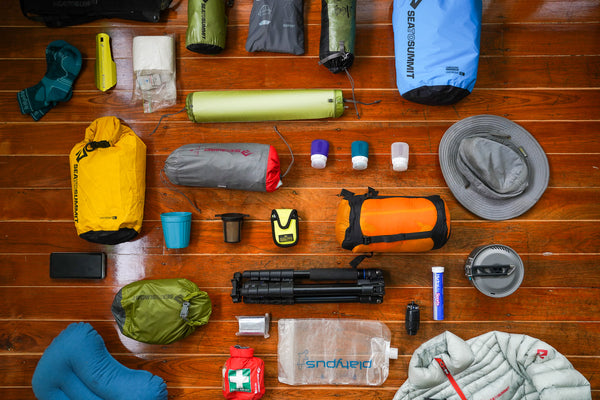
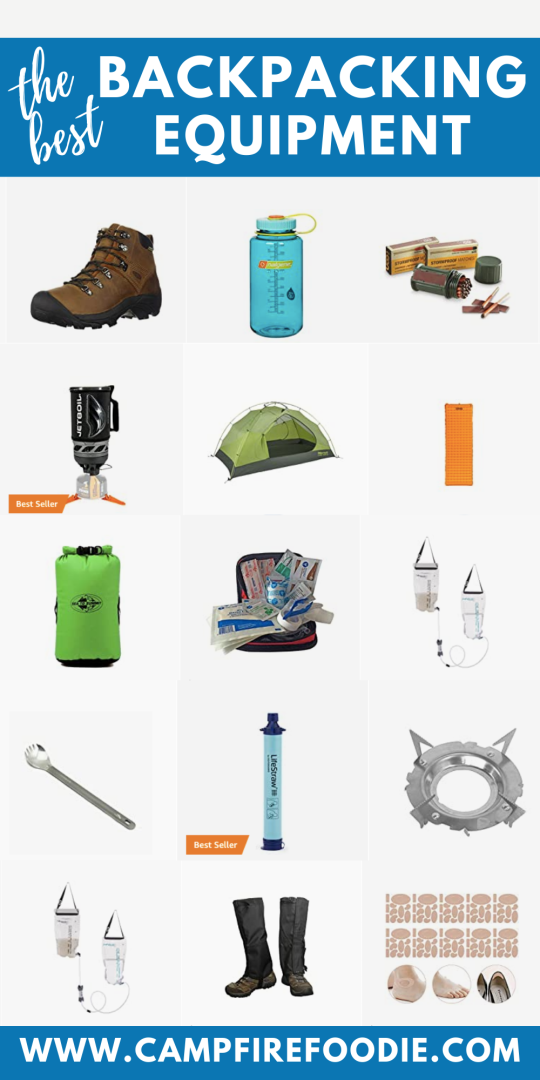
Hitting the trail for an overnight stay? Your safety gear isn’t just equipment; it’s peace of mind. A trusty map and compass are your navigation rock stars, especially when technology falters. GPS devices like those from TrailTravel Essentials can be handy, but knowledge of traditional skills remains crucial. Adding a well-packed first aid kit means you’re set for minor injuries, while emergency whistles and signaling devices ensure you can alert others if the unexpected happens. Don’t overlook multi-tools—compact lifesavers for repairs on the go. When packing, think about layering your essentials: adequate shelter, reliable light sources like headlamps, and water purification systems such as filters or UV purifiers keep your body fueled and guarded from unknown water contaminants. This lineup is the backbone of safety for Overnight Armor that shields you from surprises on the trail.
Choosing the Shelter That Protects and Comforts
A solid shelter setup is non-negotiable for overnight trail stays. Lightweight tents from brands emphasizing durability and ease of setup, such as those recommended by Essential Trail Gear, offer a balance of protection and portability. Your tent should be waterproof and suited to the expected weather to keep you dry and shielded from cold winds. Combining a sleeping bag rated for your conditions with a supportive sleeping pad forms your sleep system—think of it as your mobile bedroom that guards against cold ground and rough terrain. Some hikers prefer a hammock setup from SleepSafe Outdoors, which works wonderfully in wooded areas with good tree coverage. SecureTrail tech fabrics also help in keeping moisture at bay, maximizing comfort throughout the night.
Mastering Hydration and Nutrition for Trail Safety
On the trail, dehydration and undernutrition can sneak up quickly, compromising your safety and performance. Carrying sufficient water and methods to purify natural sources is key. Devices like the LifeStraw or UV purification pens provide access to clean water without lugging heavy bottles. Pair that with lightweight, high-calorie snacks—nuts, energy bars, and dehydrated fruits are favored choices. Cooking gear is often minimal but should include a reliable stove capable of quick meals to maintain energy. Safe hydration and nutrition not only keep you physically ready but mentally sharp for night navigation and unexpected challenges. Platforms like Gourmet Food Lodging Tips offer creative ideas for making trail food both nourishing and enjoyable.
How To Navigate Like a Pro and Stay on the Right Path
Getting lost can turn an otherwise joyful hike into a dangerous situation. That’s why mastering map and compass skills is essential — tools that form the heart of PathShield trail safety. Digital GPS help but remember their batteries can die or lose signal. Always have a paper map as backup and know how to read it. Trail markers and blazes will guide you, yet some paths get faint over time—keep your route info handy and be aware of nearby landmarks. Permits might be needed for certain regions; these regulations help maintain trail safety and sustainability. Learning and practicing these navigation basics ahead of time means you control the journey, avoiding risky detours or emergency rescues. For further guidance, Safety Tips for Overnight Trail reviews best practices to stay oriented even after dark.
Staying Prepared for Emergencies on the Trail
Emergencies can occur even on well-planned trips. Having a first aid kit tailored to your skills and trip length, stocked with essentials like bandages, antiseptics, and blister treatment is vital. Every hiker should know basic first aid procedures—courses offered locally or online build confidence for crisis moments. Lightweight emergency shelters like bivy sacks or compact tarps protect against sudden weather shifts. A sturdy pocket knife or multi-tool becomes invaluable, and waterproof matches or a fire starter ensure you can light a fire for warmth. Alongside physical tools, mental preparedness is crucial—briefing someone about your itinerary and estimated return time adds another safety net. To deepen your emergency readiness, check out advice on Safe and Enjoyable Trail Travel for actionable tips and gear recommendations that elevate your CampSafe approach.
Guard Your Gear from the Elements with Smart Protection
Protecting your gear from rain, dirt, and damage guarantees everything works when you need it most. Waterproof backpack covers and dry bags organize and shield crucial items from moisture. NightHaven Gear designs focus on robust weatherproofing without adding bulk, making them popular among serious hikers. Always store electronics and essential documents in sealed plastic or special dry cases inside your pack. Dressing in layers with breathable yet water-resistant apparel enhances your overall protection, reducing hypothermia risk in cold, wet conditions. These strategies collectively form the core of Overnight Shield solutions, ensuring your gear functions reliably throughout your journey.