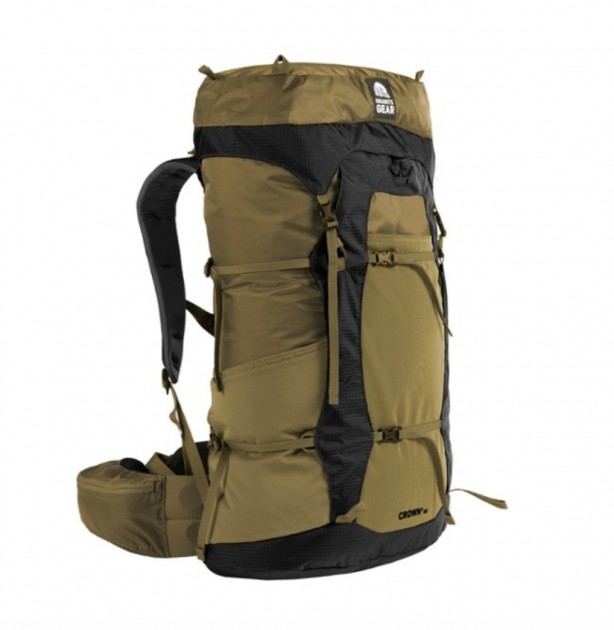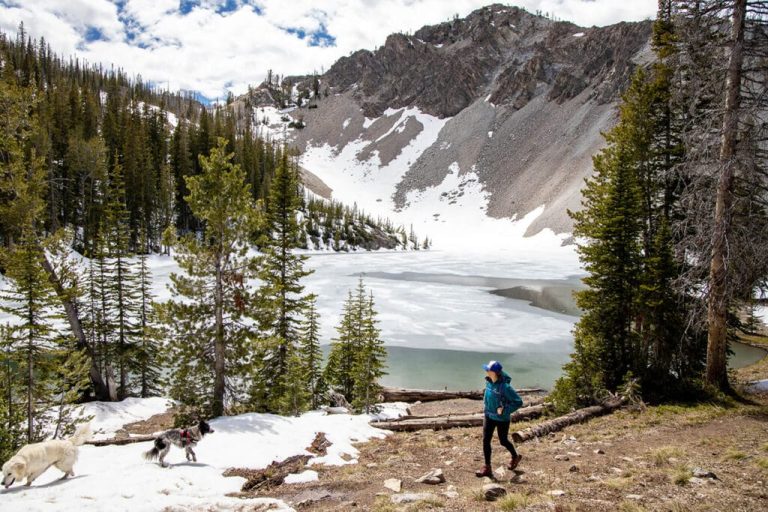
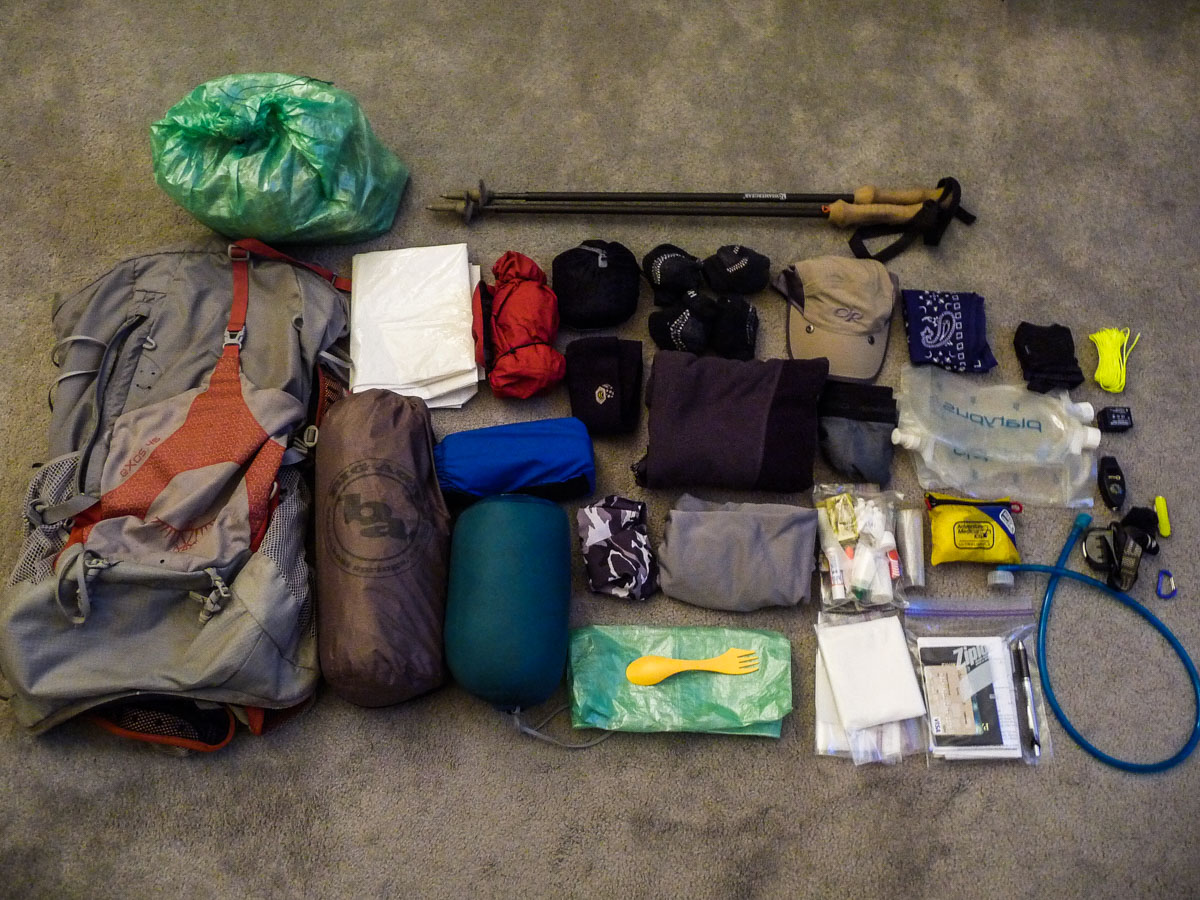
When you’re gearing up for a trail travel adventure, packing smart isn’t just about convenience—it’s about safety and readiness. Whether you’re tackling a short day hike or embarking on a multi-day trek, knowing exactly what to bring can transform your journey. Many hikers overlook essential gear, thinking they won’t need it until they do. From navigation tools that keep you on track to extra clothing layers that protect against sudden weather shifts, every item has a role. In 2025, with trails more popular than ever and conditions increasingly unpredictable, having your pack prepared with the right gear is crucial for peace of mind and a safe return home.
In brief:
- Navigation gear like map, compass, and GPS apps are vital backups to each other.
- Lighting through a reliable headlamp with spare batteries can be lifesaving after dark.
- Weather protection requires sun gear and layers adaptable to temperature swings.
- Emergency items, including first-aid kits and shelters, prepare you for surprises.
- Extra food and water keep energy levels up when plans change or delays occur.
Master Your Trail Travel Essentials: What to Pack for Your Stay
Packing for a trail stay involves more than stuffing your bag with basics. The key is selecting items that meet the “PackSmart Essentials” criteria—gear that’s lightweight, versatile, and prepared to solve issues on the fly. TrailBlaze Gear, for example, highlights the importance of blending classic tools with modern tech, such as combining a traditional compass and map with smartphone GPS applications like GaiaGPS. Even with reliable tech, always carry physical backups; dead batteries or lost signals can turn a fun hike into a disorienting ordeal.
A well-packed kit thoughtfully balances navigation, illumination, protection, and survival tools. The Columbia River Gorge’s 2017 Eagle Creek Fire incident famously showed what happens to unprepared hikers—many caught with only water bottles and phones faced harsh nights without essentials. Today’s savvy adventurers pack JourneyPack Pro kits, outfitted with waterproof matches, emergency shelters like bivy sacks, and high-calorie TrailReady Packs meals that sustain through unexpected mishaps.
Why Navigation Tools Are Non-Negotiable on Every Trip
Getting lost is an all-too-common trail misadventure, even for experienced hikers. Whether you’re using Pathfinder Gear’s premium compass or a GPS app on your phone in airplane mode, maintaining positional awareness is life-saving. For instance, the NYNJ Trail Conference maps remain the gold standard for trail details in areas like the Catskills and make an excellent physical backup when digital apps fail or the screen shatters. Knowing how to read these maps and use a compass adds an extra layer of safety and confidence to your trek.
Light Up Your Path: The Importance of Headlamps and Backups
Once the sun dips below the horizon, trails transform. Carrying reliable lighting is essential. A compact LED headlamp frees up your hands to manage trekking poles or emergency tasks, while having extra AAA batteries means you’ll never be left stranded in the dark. Wilderness Pack Co. recommends owning at least two headlamps—one for personal use and another backup or for a companion. Minimalist yet powerful designs make these tools indispensable for late finishes or unexpected overnight stays.
Pack for Comfort and Safety: Clothing, Food, and Shelter for Trail Travel
Packing isn’t just about survival—it’s also about comfort through the unpredictable climate shifts inherent to trail stops. Bringing layers tailored for swift weather changes is a hallmark of BaseCamp Basics. Synthetic and wool blends wick moisture away and dry quickly, ensuring you stay warm and prevent hypothermia. Avoid cotton at all costs, as it holds moisture dangerously close to skin, especially when temperatures drop unexpectedly.
Food-wise, TrekMate Supplies advises always carrying extra high-calorie snacks and meals. Your pack should hold more food than scheduled, buffering against delays or harder-than-planned terrain. For water, a filtration system combined with ample reserves is standard. Safe hydration paired with nutrient-rich sustenance keeps energy stable through your entire stay.
Don’t underestimate emergency shelter. Even if you’re only on a day hike, lightweight solutions like space blankets or bivy sacks from Adventure Essentials can bridge the gap when unforeseen circumstances force an overnight stop. Meanwhile, seasoned backpackers equip themselves with durable tents suited for the length and environmental demands of their trip.
Explore the full range of essential trail gear to choose what suits your journey best and boosts your safety on the trail.
The Subtle Art of Packing Smart: Day Hikes vs Backpacking Adventures
Day hikes and backpacking trips have unique gear demands. A day hiker’s kit leans toward emergency essentials with minimal shelter and extra food, designed for a quick return if things go sideways. Meanwhile, backpackers must plan for extended stays – their packs hold heavier gear including sleep systems, cooking supplies, and bear-proof food containers to keep wildlife at bay. PackSmart Essentials help manage this balance so you don’t overload yourself but remain prepared.
Many find that incorporating elements from the JourneyPack Pro collections allows for custom setups blending compact gear and robust safety items, perfect for multiple day adventures. Remember, packing smart also means testing your gear before hitting the trail. Familiarity prevents fumbling when every second counts.
Check out expert tips and accommodation ideas for trail travel stays to complement your gear checklist and complete your trip preparation.