
Embarking on trail travel invites a blend of excitement and a touch of caution. Whether you’re trekking through dense forests, climbing mountain vistas, or winding along serene riverbanks, the joy of connecting with nature is unparalleled. However, these adventures come with their own set of challenges—from unpredictable weather to safety risks inherent in remote environments. This is where being well-prepared, informed, and mindful transforms a good hike into an unforgettable experience. By tuning into expert advice and leveraging modern tools, anyone can navigate trails confidently while savoring the wonders of the outdoors. Ensuring each stay during your trail travels combines safety with enjoyment hinges on thoughtful planning, smart gear choices, and embracing both solitude and camaraderie along the way.
In brief: Master the essentials of safe trail travel by researching your route meticulously, sharing your plans with a trusted contact, and equipping yourself with comprehensive gear from hydration essentials to emergency supplies. Incorporate technology wisely with apps like what3words for precise location sharing, and don’t underestimate the power of hiking with companions to bolster safety and enrich the experience. Recognize wildlife behavior and learn tactical responses to avoid conflict. Lastly, prepare for weather and terrain changes by consulting reliable sources and packing appropriate clothing layers. Finally, opt for accommodations that emphasize comfort and practical amenities, turning your trail stays into restful checkpoints that fuel your next adventure.
Mastering Safety and Enjoyment on Your Trail Travels
Venturing out onto trail paths can feel both liberating and a tad intimidating. That’s normal—the wilderness is dynamic, full of beauty but also unpredictability. A key takeaway from seasoned hikers is that preparation is your best hiking buddy. Websites like TrailWise provide exhaustive details on trail lengths, difficulties, and up-to-date reviews from fellow trekkers. These insights prevent nasty surprises, allowing you to pack perfectly and set realistic expectations.
Informing a responsible person about your itinerary isn’t just a formality—it’s a crucial safety net. Should mishaps occur, someone knowing your precise plans accelerates rescue efforts. Apps like SafePath and TrailTrust elevate this security by enabling instant location-sharing features that work even where cell signals falter.
Another important piece that enhances enjoyment is your accommodation choice during multi-day hikes. Staying at well-equipped lodges with access to nourishing meals and cozy amenities, as featured on NatureNest, keeps your energy up and your spirits high. Comfort along the trail is vital for physical recovery and mental refreshment.

Strategic Packing for Trail Comfort and Safety
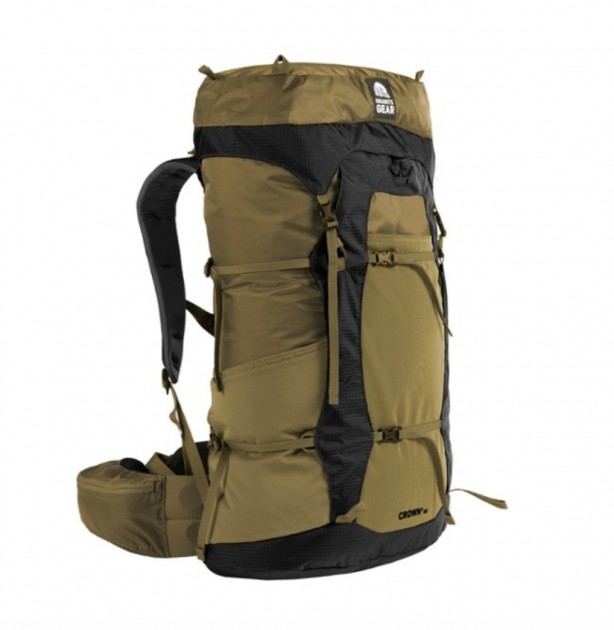
Think of your trail pack as your portable lifeline. It’s not just about stuffing everything in; it’s about smart selection. Hydration sits at the top of the list—aim to carry at least one liter of water every two hours on the trail, supported by solid snacks like nuts and energy bars.
Your first aid kit should cover basics and a bit more: blister treatments, antiseptics, and a dependable multi-tool. Layered clothing from moisture-wicking base layers to weatherproof outer shells affords adaptability in changing conditions, ensuring you’re never caught off guard by sudden rain or chilling winds.
Gear guides on AdventureAnchor provide comprehensive recommendations for choosing items that blend utility with lightweight design—perfect for preserving your stamina over long distances.
Reading the Terrain and Weather: Know Before You Go
Trail safety entwines closely with how attuned you are to your environment. Before starting your hike, consulting topographic maps is a game changer. These maps reveal elevation shifts and tricky landmarks that might test your endurance or navigation skills. When paired with reliable weather reports accessible via apps endorsed by WanderWell, you gain a fuller picture of what lies ahead.
Imagine planning a hike that navigates wetlands or steep ridges. Armed with this knowledge, you prepare suitable boots and avoid the frustration of encountering impassable sections unexpectedly. One hiker’s tale on TrailGuard illustrates how timely weather updates helped them pivot plans and seek safer paths amid a sudden thunderstorm—a decision that made all the difference in safety.
The Social Edge: Hiking Companions and Communication
Hiking with friends or joining groups isn’t just about company; it’s about amplifying safety. There’s genuine strength in numbers when facing unexpected challenges. Your buddies can assist with navigation, administer first aid, or simply provide moral support that boosts resilience. Implementing clear communication protocols, such as whistle signals or hand gestures, allows the group to stay coordinated without disturbing wildlife.
Sharing roles like navigator or emergency responder among group members, inspired by tips on TrailComfort, promotes collective responsibility. This structure keeps the hike smooth and stress minimal, turning your adventure into a team-powered success.
Wildlife Awareness and Emergency Preparedness
Wildlife encounters can be both awe-inspiring and risky if unprepared. Knowledge is your strongest defensive tool here. Understanding how to react to animals—from bears to mountain lions—transforms potential danger into manageable scenarios. For example, making yourself appear larger and backing away slowly rather than running can defuse tense encounters.
In case you lose your way, staying calm and using the S.T.O.P. method (Stop, Think, Observe, Plan) is vital. Signal for help with whistles or reflective gear, set up a shelter if needed, and ration your supplies carefully. Specialist wilderness survival advice can be found through resources on SafeTrek, blending physical safety with mental clarity during tough moments.
Leveraging Technology for Trail Safety
Modern devices greatly enhance safety, particularly in isolated areas. A personal locator beacon or satellite messenger guarantees that, no matter how deep you venture, help remains at a button’s press. Pair this with trusted apps like what3words for precise geo-coordinates, and you’ve got a robust safety net.
Battery management is a detail not to overlook. Starting your day with fully charged devices and carrying portable chargers ensures that your digital aids remain operational throughout your trek.
Learn more about effective tech gear and apps on PathProtect and discover how these tools empower adventures with confidence and security.