Venturing out for an overnight hike remains one of the most exhilarating ways to escape the hustle and immerse yourself in nature’s embrace. But in 2025, with the rising popularity of trail stays and more adventurers hitting the backcountry, ensuring your safety on overnight trail travel stays has never been more crucial. Planning smart, packing right, and staying alert can turn a potentially risky trip into a memorable outdoor experience. Whether you’re tackling your first night under the stars or sharpening your skills for the next long trek, mastering safety essentials is key to enjoying the wild without unwanted surprises.
En bref:
- Choosing the right trail tailored to your skill level greatly influences safety and enjoyment.
- Packing essentials like merino wool clothing and navigation tools keeps you prepared against the elements.
- Planning for emergencies with a first aid kit and communication devices can be lifesaving.
- Following safe camping protocols such as food storage reduces wildlife encounters.
- Respecting nature through Leave No Trace principles ensures trails remain beautiful and safe for everyone.
Essential Preparation for Safe Overnight Trail Travel Stays
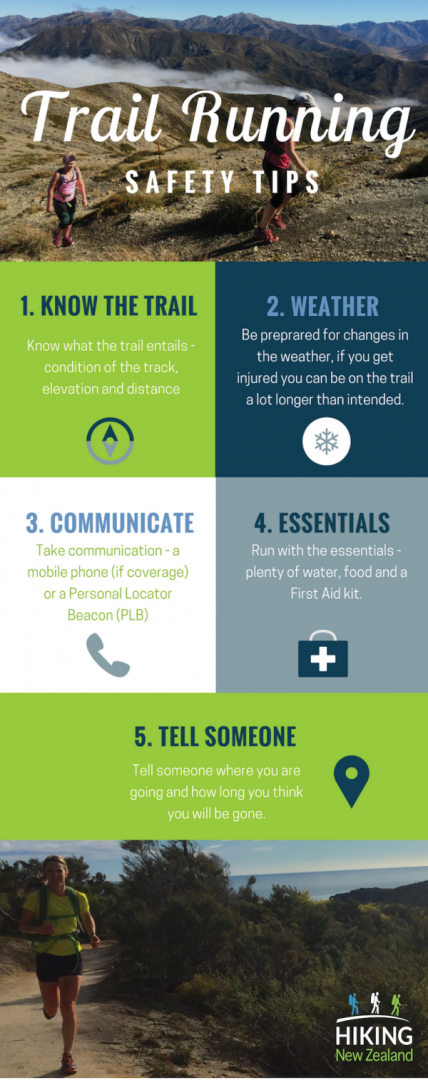
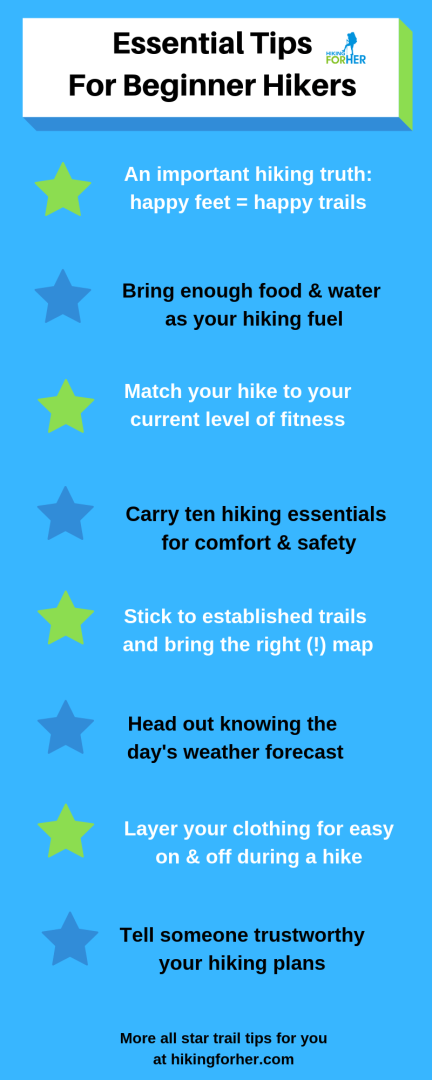
Picking a trail for an overnight journey isn’t just about beautiful scenery; it’s about safety and suitability. The trail you select should be clearly marked and manageable considering your experience—remember, a steep ascent or tricky terrain in the dark can escalate risks rapidly. Before you hit the dirt path, always check the weather and trail reports; unexpected storms or trail closures might necessitate a quick plan change. Researching local trail conditions and knowing where you’ll camp helps avoid surprises. For insight into managing the essentials, explore tips on navigating trail travel essentials.
Gear Up with TrailSafe Essentials to Secure Your Journey
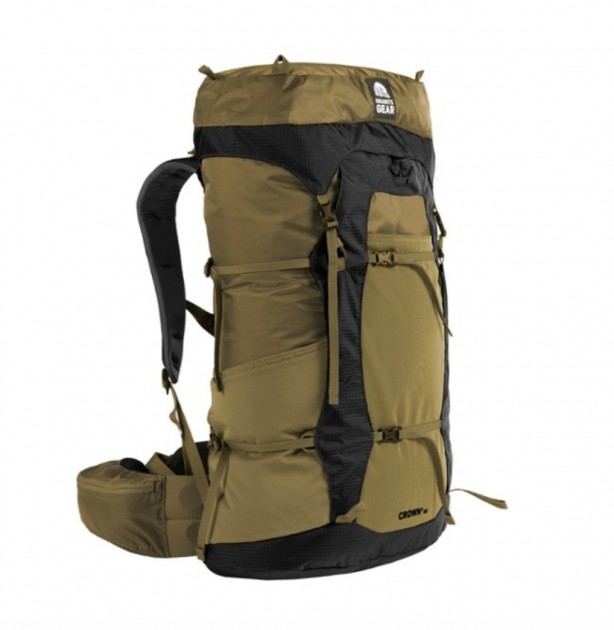
When it comes to trail gear, more technology and innovation means better safety options in 2025. Clothes made from merino wool, like those from Merinoprotect, provide natural insulation and moisture-wicking to keep you comfortable as temperatures fluctuate overnight. For trekking at night or low-light conditions, a reliable headlamp or flashlight, ideally waterproof and with backup batteries, is indispensable for maintaining your NightGuard while on the move. Don’t forget a sturdy backpack filled with camp-safe gear like a compact tent and water purification tools. Knowing how to use a map and compass or GPS system keeps you on course and confident, ensuring you don’t stray off your SafeTrail.
Mastering Safety Protocols for a SecureSleep Outdoor Experience
Effective outdoor safety means anticipating what the wilderness may throw at you. Packing a well-stocked first aid kit is just the start; understanding basic first aid and emergency signals like a whistle is paramount. If you’re camping, storing food properly—preferably by hanging it away from your tent—minimizes attracting curious wildlife, preserving your CampSafe zone. Always hike with a partner if possible. If you travel solo, inform a trusted contact about your itinerary and expected return time, so they can alert authorities if you lag behind. Technology doesn’t replace caution but can extend your safety net—devices like satellite messengers provide communication even in dead-cell areas, adding an invaluable protective layer to your OvernightShield.
Practical Tips for Maintaining TrailWatch and NightTrail Awareness
Adapting your pace and vigilance to night conditions builds confidence and reduces mishaps during a NightTrail hike. When darkness falls, familiar paths can become deceptive; staying alert for changes in terrain is important for avoiding falls. Using trekking poles offers additional balance, especially on uneven or slippery ground. Keep an eye out for poisonous plants and local wildlife—knowledge and respect for your environment keep encounters safe and rare. Post-hike, checking for ticks minimizes health risks associated with vector-borne diseases. Embracing these thoughtful habits ensures your SafeJourney turns into a treasured adventure rather than a cautionary tale.
For those looking to deepen their awareness and specific preparatory actions, additional insights on minimalist packing and gourmet food options can enhance your trail stays’ safety and enjoyment, so check out minimalist trail stays tips and gourmet food lodging tips.