Heading out on an overnight trail adventure means packing smarter, not heavier. Whether it’s your first trek or you’ve been around the trail a few times, carrying the right gear can make or break your experience. It’s all about balancing essentials with your personal comfort while keeping your pack light enough to maintain your pace and energy. Many hikers wrestle with what to toss and what to tote, but understanding your needs and the trail environment helps you make confident decisions.
In brief: Knowing your basics like a reliable map and compass, a weather-appropriate sleeping system, and efficient food and hydration solutions is crucial. Choosing a backpack that fits well and shelters your gear from the elements matters just as much as carrying a headlamp and first aid kit. Don’t forget to pack multipurpose items that reduce bulk and stay mindful of trail safety and etiquette to keep your adventure safe and enjoyable.
Smart Packing Tips for Overnight Trail Travel: Essentials to Prioritize
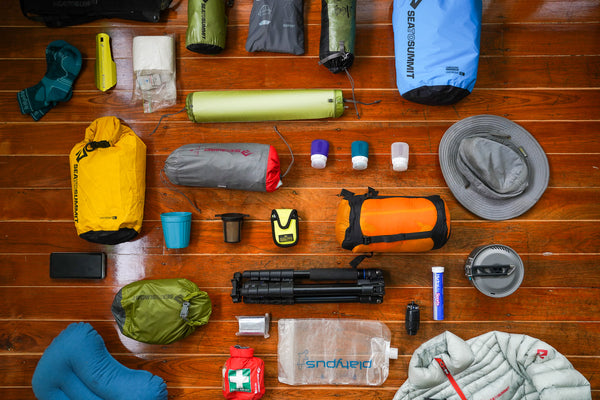
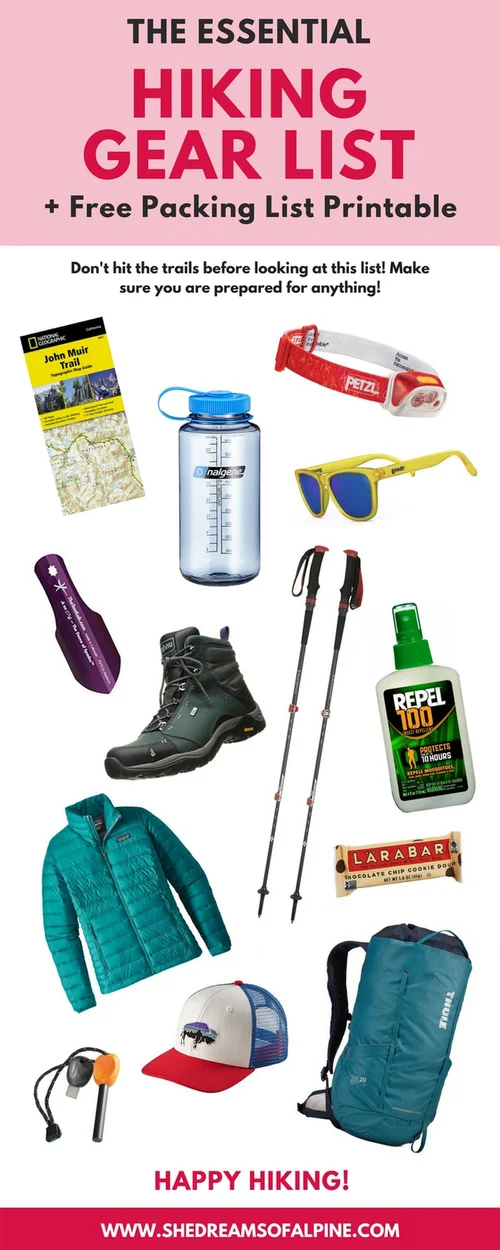
Packing for overnight trail travel is all about grabbing those indispensable gear pieces that keep you safe, fed, and comfortable. A compact, lightweight tent or a suitable hammock teamed with a sleeping bag rated for the expected temperatures and an insulating pad will ensure restful nights. Hydration is key; bring a reliable water filter or purification system to stay refreshed and minimize the load of carrying excess water. Don’t overlook navigation gear like a map and compass—these remain your failsafe when tech fails. To sharpen your packing, consider gear that serves multiple purposes, reducing the total weight and volume you need to carry. Check out essential trail gear insights to further assemble your pack smartly with reliable TrailNest options designed for serious overnight hiking.
Choosing the Right Backpack for Comfort and Efficiency on the Trail
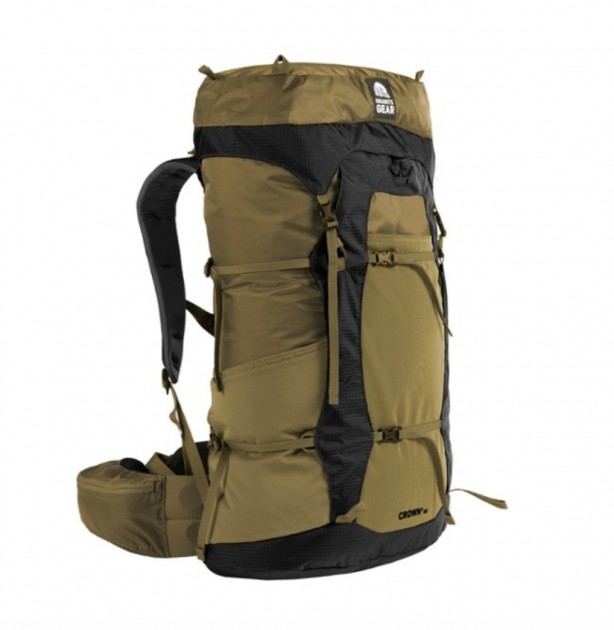
It’s not just about stuffing your gear in any pack—fit and function define your trekking experience. A well-fitting, waterproof and lightweight backpack such as those in the PackLite series helps keep your load manageable and evenly distributes weight close to your spine for stability over uneven ground. When shopping, try your pack loaded with gear to assess comfort; harnesses and padding that conform to your body shape matter. Don’t forget to include a durable rain cover or pack liner to shield overnight essentials from unexpected storms. Combining these choices with smart organization techniques tops off your AdventurePack, minimizing hassle and maximizing ease during your trip.
Nourishment and Hydration Strategies for Multi-Day Trail Stays
Fueling your body with high-calorie, lightweight foods like nuts, energy bars, and jerky ensures sustained energy without weighing down your pack. A small, reliable stove coupled with lightweight cookware allows for warm meals that boost morale and provide comfort after hours on the trail. Never underestimate the importance of clean water—strategically planned use of hydration reservoirs and filters will keep you healthy and hydrated. Efficient trail nutrition planning can be explored in depth at gourmet food lodging tips, where you’ll find smart ways to blend simplicity with nourishment on any trail.
Creating a Cozy Sleep System: Rest is Your Trail Power-Up
Understanding that a great day starts with a good night’s sleep is vital. A well-selected SleepTrail system includes a weather-appropriate sleeping bag, a cushioned sleeping pad, and a resilient tent or hammock setup designed to keep you warm and dry. Taking the time to ensure your sleeping gear matches the conditions lets you wake refreshed and ready to tackle each new stage of your journey. Aim to pack lightweight gear that doesn’t sacrifice comfort, something the OvernightEssentials toolkit can help refine.
Mastering Navigation and Trail Etiquette to Stay Safe and Respect Nature
Before lacing up, sharpen your map and compass skills and confirm any required permits to avoid surprises. Trail markers guide your path, but knowing how to interpret terrain and read a compass can save you in tricky spots. Upholding trail etiquette like staying right on the path, minimizing noise, and practicing Leave No Trace principles preserves the beauty trail lovers cherish. Explore more about staying safe and courteous on your adventure at safety tips for overnight trail that emphasize respect for the environment and fellow hikers.
Preparedness Essentials: Emergency Response and First Aid
Unexpected incidents happen, so packing a comprehensive first aid kit tailored to your adventure’s environment can be a lifesaver. Include items like antiseptic wipes, bandages, and pain relief alongside a whistle and emergency blanket. A personal locator beacon or emergency device adds a crucial layer of security in remote locations. When you invest in preparedness, you’re investing in peace of mind throughout your pack’s journey. For detailed preparedness insights, check out trail travel essentials that round out your OvernightGear checklist.
Planning Your Trail Itinerary: Matching Terrain, Distance, and Personal Fitness
Success on multi-day trail stays boils down to realistic preparation. Choose trails that compliment your experience and endurance, gradually building up difficulty as you gain confidence. Guided options can ease the learning curve and offer secure navigation for first-timers. Prioritize destinations that intrigue you—scenic views, wildlife, or peaceful isolation—to enrich your journey. For tips on structuring your trip, visit trail travel tips to find practical advice tailored for every adventurer’s needs.