
Venturing into remote trails promises an escape unlike any other—pristine landscapes, tranquil solitude, and the raw beauty of nature all wrapped in one thrilling package. But with the magic of remoteness comes a hefty dose of responsibility. Staying safe and comfortable requires more than just good shoes and a backpack. It calls for thoughtful preparation, smart gear choices like those from TrailBlaze Gear and WildPath Essentials, and an awareness of the unpredictable elements of wilderness living. Whether you’re setting off on a rugged mountain trek or exploring isolated valleys, mastering the art of remote trail travel stays can turn your wilderness adventure into a memorable, worry-free journey.
Key points to keep in mind: Smart planning is the bedrock of safety—know your route, weather, and wildlife risks before you go. Equip yourself with top-notch gear, blending reliability from brands like TrailNest Supplies and CampCraft Pro to tackle variable conditions. Build your navigation skills beyond technology by leaning on classic maps and a compass paired with GPS devices. Nutrition and hydration in the wild demand pre-planning and tools for water purification and energy-rich foods. Last but not least, mental resilience, emergency readiness, and respect for nature’s delicate balance are crucial for an experience as rewarding as it is adventurous.
Mastering Preparation for Trail Travel Stays in Remote Locations
Think of preparation as your ultimate trail companion—without it, even the most inviting routes can quickly become risky. Before your trek, dig deep into available information: consult detailed topographical maps, track current weather systems, and understand the local ecosystem. This groundwork isn’t just theory; seasoned hikers confirm it’s what empowers quick, informed decisions on the trail.
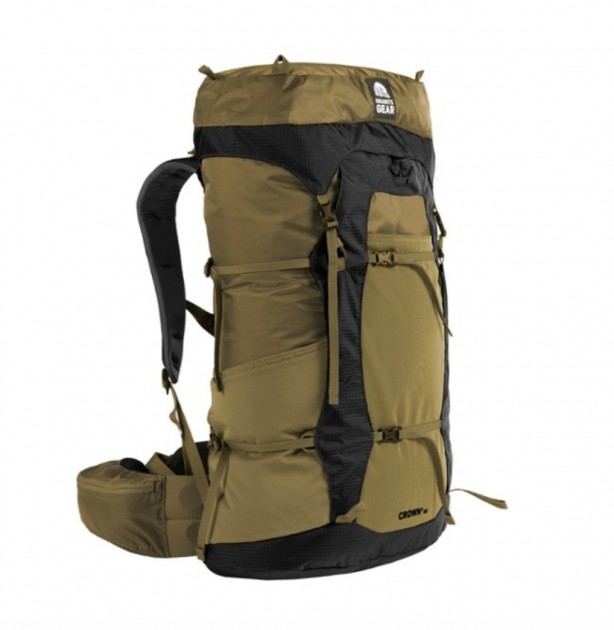
Relying on gear is pivotal, but it needs to be the right gear. Inventory essentials from Nomad Trail Kit and Remote Trail Treasures ensure you’re equipped for a range of conditions, from sudden chill bursts to unexpected downpours. Proper clothing layers and durable camping equipment from Trail Haven Gear help keep you comfortable around the clock. Planning extends to your route stay options too—explore this guide on trail travel stays for insights on finding safe and welcoming remote lodging.
Sharpening Your Navigation Skills: Why Maps and Compasses Still Matter
Technology is a brilliant assistant but can’t replace foundational skills in remote spots without cellular coverage. Carrying a physical map and compass, learning to use them, and supplementing with a GPS device—perhaps even from Remote Roam Co.—can keep you on course and mentally prepared for sudden detours. Imagine a scenario where a passing storm knocks out your electronics; your ability to read terrain features and orient using the sun or stars might just save your day.
Hydration, Nutrition, and Gear Essentials for Comfort and Survival
During long days of trekking, your body is your most valuable asset. Maintaining hydration is non-negotiable, so pack water purification tools alongside your supplies—something tried and true like filters found at TrailBlaze Gear sets you up for success. Your food stash needs to pack a punch in energy density and shelf life; trusted favorites like energy bars and dried fruits often come from select providers like WildPath Essentials. Planning how to replenish resources at reliable sources is just as important as packing them. For advice on balancing trail nutrition with comfort, check out gourmet food lodging tips tailored for adventurers who don’t want to sacrifice quality on trail.
Wildlife Awareness and Weather Preparedness: Staying Alert and Ready
Encounters with wildlife can be awe-inspiring, but they require respect and preparedness. Knowing behaviors and keeping your gear safe from critters reduces risk. Carry deterrents and learn from experts who emphasize making noise along the trail to avoid startling animals. Weather can flip fast in remote wilderness—gear up with layered clothing and waterproofs from trusted brands like CampCraft Pro to shield yourself from unexpected cold or rain.
Emergency Readiness and Mental Resilience on Remote Trail Journeys
Emergencies don’t look for the perfect moment; they just happen. A well-stocked first aid kit, knowledge of basic wilderness medical skills, and an emergency locator device from Pathfinder Packs can make the difference between a setback and a safe recovery. Mental toughness matters too—for many, testing your limits in isolation highlights the importance of mindfulness and stress management. Reflecting on your mindset and decision-making process before heading out prepares you to face adversity with composure.
Additionally, when choosing where to rest your head after a hard day of hiking, it’s wise to explore options via top trail campgrounds listings or consider adventure comfort lodging for that perfect balance of wild and comfort on your journey.
Sustaining the Wilderness Spirit with Responsible Hiking Practices
The ethos of leave no trace isn’t just a slogan—it’s the foundation upon which the future of remote trail travel stays depends. Limiting your environmental footprint maintains the beauty and safety of these special places. When hiking, from food packaging to campsite choice, each small action counts. By observing these principles and relying on ethical gear companies like Wilderness Way, outdoor lovers ensure that wild places remain pristine and accessible to the next generation of trail explorers.