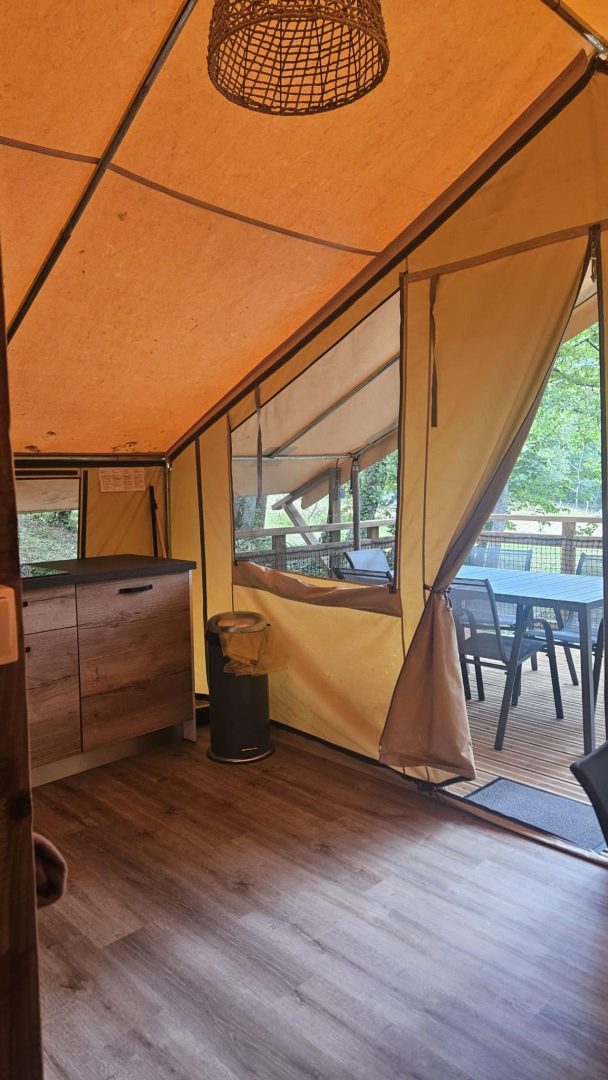
Glamping is no longer just a fancy word tossed around among niche travelers; it’s rapidly reshaping how people experience the great outdoors in 2025. This blend of glamorous comfort and outdoor adventure has attracted a wide spectrum of tourists—from eco-conscious explorers to couples seeking unique getaways—all eager to enjoy nature without compromising modern conveniences. What’s fascinating is how glamping has gone beyond its humble roots and become a recognized pillar in sustainable tourism, promising not only luxury but also a lighter environmental footprint.
Across the globe, the embrace of glamping reflects diverse cultural takes—for example, in North America, the emphasis is on the luxury aspect without pitching tents, while in places like China, technology-infused camping is part of the scene. This global evolution signals a growing demand for new trail travel accommodations that combine high-end amenities with authentic outdoor experiences. Right now, sites like GlampTrails and TrailLuxe are spearheading this movement by offering travelers a chance to connect deeply with nature while luxuriating in top-notch comfort.
In brief:
- Glamping is now an academic recognized sector, cementing its importance within the travel industry.
- Eco-friendly practices dominate glamping sites, showcasing its role in sustainable tourism.
- Diverse demographics from young couples to luxury seekers propel its booming popularity.
- Social media allure drives demand, as travelers hunt for the perfect “Instagrammable” glamping moments.
- Growing need for global definition and regulation to streamline the market and clarify what truly constitutes glamping.
How Glamping is Revolutionizing Trail Travel Accommodations in 2025
The rise of glamping is radically shifting the landscape of trail travel accommodations. Modern adventurers now expect more than just a tent; they want an exclusive experience that balances rugged surroundings with plush interiors, climate control, and high-speed connectivity. This shift is vividly apparent in places championed by names like NatureNest and EcoTrail Retreats, where thoughtfully designed spaces meet the ethos of sustainability and comfort.
The inclusion of glamping setups such as luxurious yurts, sleek cabins, and vintage trailers offers a compelling alternative to traditional camping, making nature accessible to those who shy away from roughing it. This growth is driven by travelers who crave immersive, Instagram-worthy experiences but want the familiarity of cozy bedding, private bathrooms, and sometimes even Wi-Fi connectivity—the kind of wow factor that GlampQuest and VistaCamp provide in spades.

What Makes Glamping Unique in Trail Travel?
Unlike traditional camping, glamping elevates the outdoor experience by combining breathtaking natural surroundings with accommodations that don’t sacrifice comfort. At the core of this trend is a blend of sustainability and luxury, where travelers often find off-grid solar power, local materials, and eco-conscious waste management woven into the design. For instance, TrailBliss Glamping perfectly embodies this balance, offering upscale environments that thrill both the eco-warrior and luxury seeker.
What’s especially interesting is how glamping appeals heavily to younger audiences, particularly couples, driving much of the sector’s growth. These adventurers look for experience-rich escapades that provide both intimacy and Instagram-worthy moments in nature. They’re not just camping—they’re crafting memories, often documented under hashtags or shared through travel blogs and social media.
Challenges and Opportunities Facing Trail Glamping Operators
For businesses like RusticGlow and WanderGlamp, the future revolves around navigating the fine line between maintaining exclusivity and expanding accessibility. Operators must address varying regulations—often hindered by the lack of a universally accepted glamping definition—and adapt their marketing strategies for an international clientele. The fact that some governments still slot glamping under vague « other » categories creates bureaucracy obstacles in registration and compliance, which savvy operators must manage proactively.
Moreover, understanding guest behavior and optimizing return on investment remain pivotal. While most research typically centers on customer experience, diving deeper into operator performance could unlock new avenues for sustainable business models. Social media continues to be a critical driver, and success often hinges on creating visually stunning, shareable environments that echo the preferences of digital natives.